

You might be familiar with this technology on the smartphone when you call out Siri or Alexa. Total visibility is the best advantage of ERP that is considered the most significant selling point for various software. With the correct use of ERP software, you can have complete visibility and accessibility to your business’s necessary process. Each person can access all the data in the department without much effort. Each ERP system comes with built-in modules, and additional modules are available to add on. Many ERP solutions offer a wide range of sophisticated, tailored modules as per the requirements of their clients.

Why are ERP systems important for businesses?
- Hybrid ERP systems combine elements of both on-premises and cloud-based deployments, allowing organizations to take advantage of the benefits of both models.
- Detailed process maps highlight inefficiencies and areas for improvement.
- Within the past decade specifically, ERP systems skyrocketed in terms of use and, therefore, began to dominate the IT sector.
- Some modules are considered core, while others are industry-specific and added based on a company’s needs.
- Think of ERP as the central nervous system of your organization, ensuring every department is connected and operating harmoniously.
- They canhelp leaders reallocate human and financial capital or build more efficient core businessprocesses that save money without sacrificing quality or performance.
With the rich and central financial information produced by the ERP, accountants and financial planning and analysis experts can convert it into forecasts and reports. The beauty of the ERP system is that every module is usually licensed separately, allowing companies to choose the functionality they want and scale as they grow. Designed for business owners, CO— is a site that connects like minds and delivers actionable insights for next-level growth. Entrepreneurs and industry leaders share their best advice on how to take your company to the next level.
- The entire process is monitored, and necessary adjustments are made to keep the production and dispatch on track with the help of inputs generated by the ERP system.
- Reports can be generated with metrics, graphs, or other visuals and aids a client might need to determine how the business and its departments are performing.
- The main aim of this module is to satisfy customer demand by varying production rates with inventory management and maintaining a stable workforce.
- In the future, however, we’ll see even more advanced integrations using AI, Internet of Things (IoT) and blockchain to further enhance their capabilities.
- Cloud-based ERP runs on a third-party provider’s cloud computing platform.
- Businesses thereby become more agile and able to respond to changing market conditions.
- When connected to an ERP system, EDI automatically updates key areas like inventory, procurement, and finance, ensuring data is always accurate and operations run smoothly.
Optimize productivity

The ERP software has modules specific to sales management and isn’t siloed to what accounting software can do. ERP integrates all financial information into one database and can be done in the cloud for easy accessibility. ERP systems are based on various different modules that are there to support specific business processes. There are a select number of modules that are foundational to an ERP system and there are third-party applications to access additional features.
Benefits of ERPs
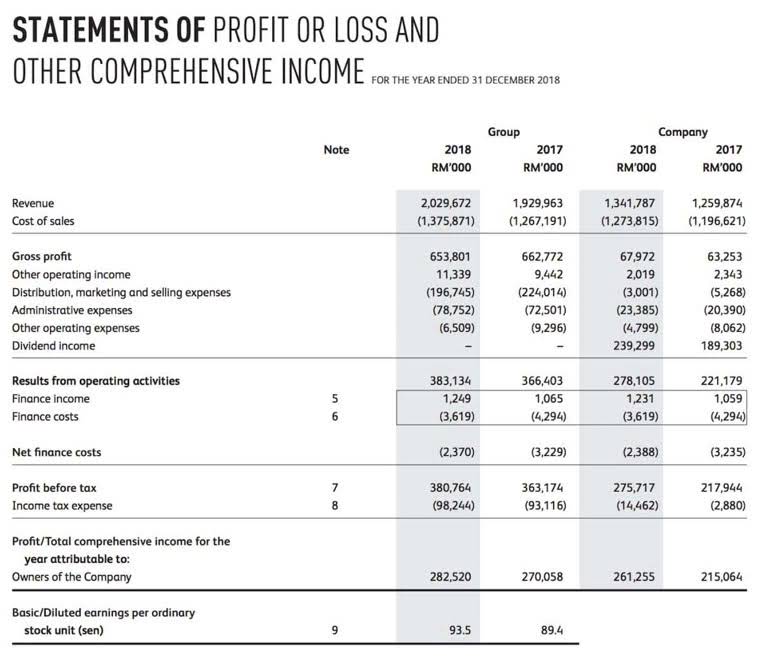
The software supports work from home and remote job opportunities.Unlike other legacy ERP systems, cloud-based ERP is compatible with other systems and tools. You always use the latest version of cloud ERP software without having net sales to spend more money and experience downtime during the updating and upgrading periods. With this software, you can lower your business costs and improve productivity. SAP ERP is an all-encompassing solution for businesses and includes functionalities such as financials, inventory, project management, sales, purchasing, and customer relationships.

However, overall security depends on implementing proper governance policies and approval workflows to ensure all applications remain compliant. Leading platforms include Microsoft Power Apps, OutSystems, Appsmith, Zoho Creator, and Retool. Each is tailored for different use cases, from enterprise-grade core systems to developer-focused internal tools. Enterprise Adoption More organizations are moving beyond pilot projects to full-scale blockchain implementations across their operations. The primary benefits include improved efficiency, significant cost reduction, and higher accuracy by eliminating human error. Most importantly, it enhances the erp defined staff experience by reducing burnout and gives clinicians more time to focus on delivering high-value patient care.
- Companies can choose the tier that best matches their current needs and budget, with the option to upgrade or customize as their requirements evolve.
- ERP software systems provide many benefits to the health and growth of a business.
- According to Khaled et al. (2008), training is crucial to modify behavior and enhance trainee knowledge and skills about the system, ensuring its successful implementation.
- Microsoft is developing different data centers for supporting the cloud capabilities that cover Dynamics 365 suite.
- These are enterprise resource planning systems, supply chain management systems, customer relationship management systems, and human resource management systems.
ERP systems have now been adopted in many diverse industries, such as banking, insurance, health care, and higher education. ERP is considered https://www.bookstime.com/ to be “the price of entry for running a business” (Kumar & van Hillegersberg, 2000). Comprehensive reviews of later ERP implementation were conducted by Shaul and Tauber (2013) and by Nazemi, Tarokh, and Djavanshir (2012). Both approaches are common and can significantly enhance efficiency—when done strategically.